Spring Festival 2026: Year of the Horse and Chinese New Year Traditions
Video transcript
Every year, billions around the world celebrate a holiday that's rich in history, culture, and family. China's spring festival, also known as the Chinese New Year. Unlike the Gregorian calendar, the Chinese New Year follows the Luna calendar, which is based on the cycles of the moon and the sun. In 2026, the celebration will begin on February 17th and marks the start of a 15-day celebration that ends with the Lantern Festival. Here are some quick facts to help you understand this vibrant tradition. One, year of the horse. Each Chinese New Year
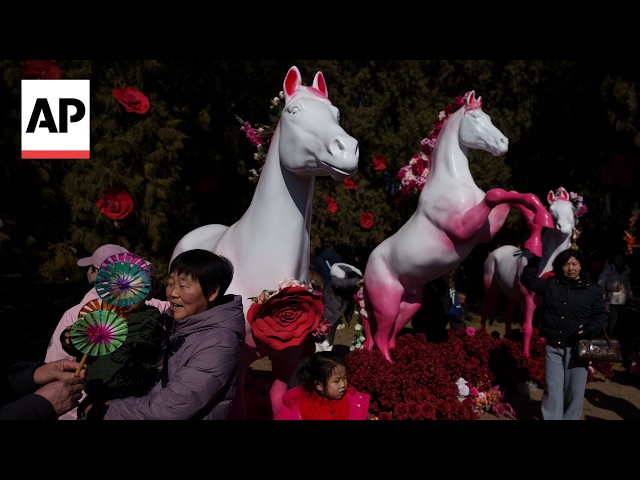
corresponds with one of the 12 animals of the Chinese zodiac. 2026 is the year of the horse associated with energy, intelligence, courage, and independence. Two, largest annual human migration. Before the festival, hundreds of millions of people make their way home to be with family. a period known as the spring festival travel rush or chunyon. It's considered the world's largest annual human migration as workers travel from cities back to their hometowns. Three family reunion dinner. The heart of the spring festival is the New Year's Eve reunion dinner.
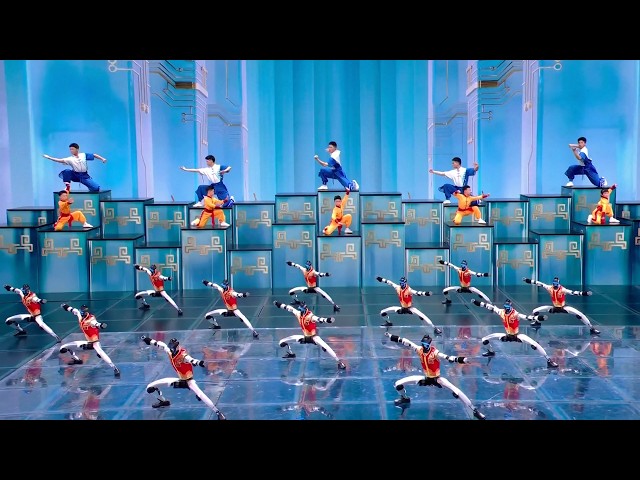
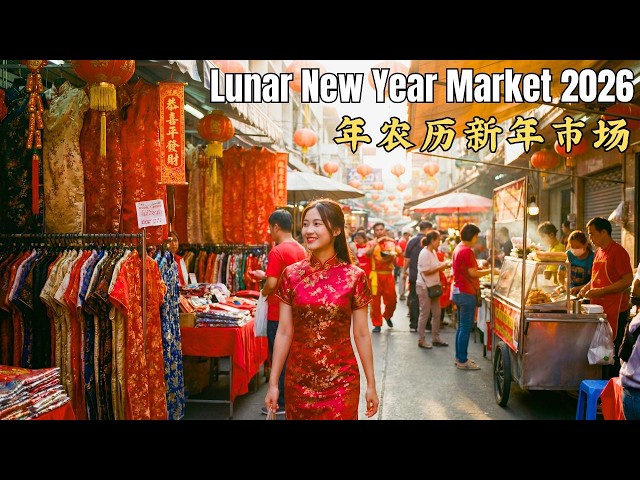
Loved ones gather around tables filled with symbolic foods such as dumplings, fish, and glutenous rice cakes. Eating together reflects unity and hope for prosperity in the year ahead. Four red envelopes. Another iconic tradition is giving red envelopes called hungao filled with money to children and younger relatives. Red symbolize good fortune and happiness. And today many people even send digital red envelopes via smartphones. Five festive displays and performances. The spring festival is celebrated with spectacular displays such as fireworks, lion and
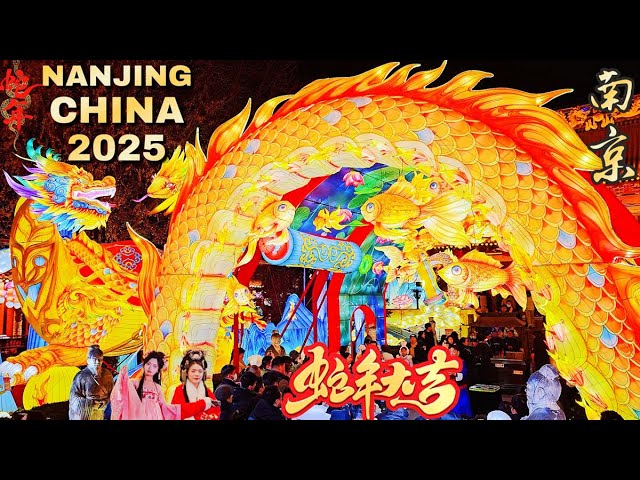
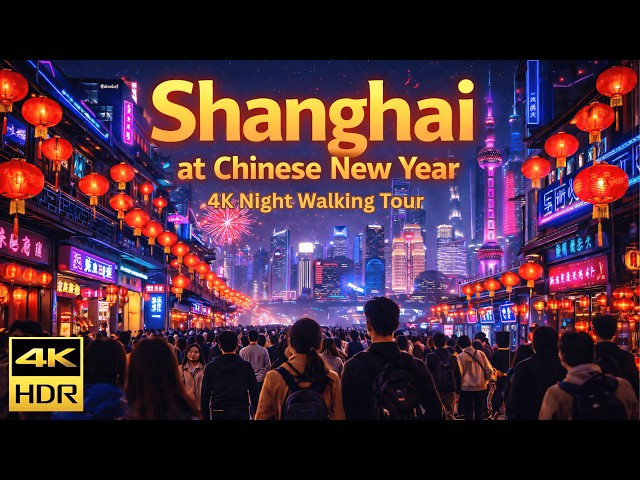
dragon dances and red decorations. These traditions are rooted in ancient folklore and community celebration. Six. Cleaning for good luck. Homes are swept and cleaned before the new year. An act believed to remove bad luck from the previous year. But on New Year's Day itself, sweeping and cleaning are avoided so good luck is not swept away. Seven. Celebrated around the world. While it's China's most important festival, the spring festival is celebrated globally in Asia and across the diaspora. Cities from New York to London, Sydney to Lagos host parades,
cultural events and family gatherings.