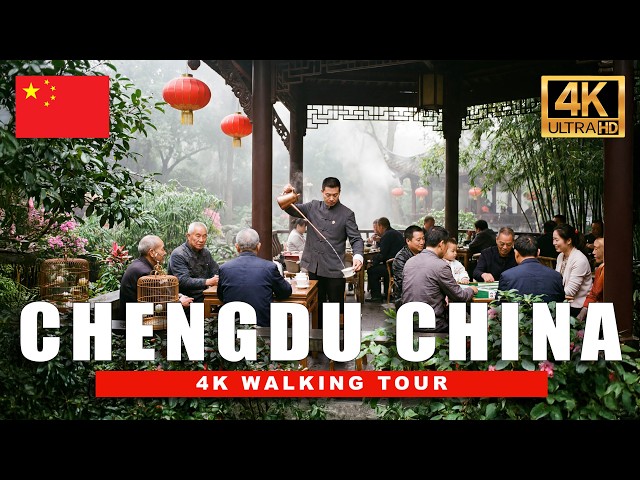
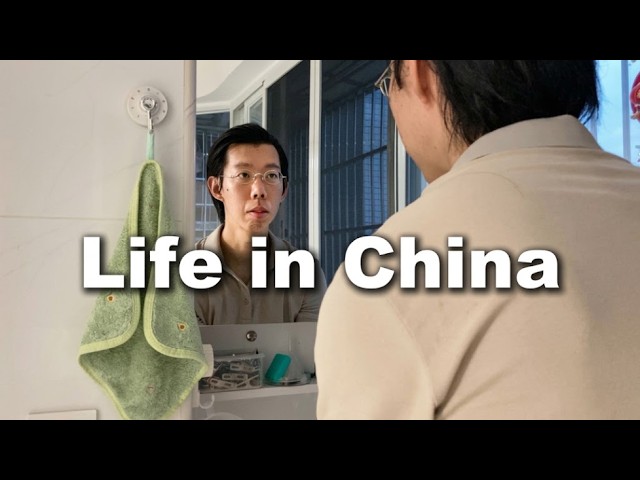
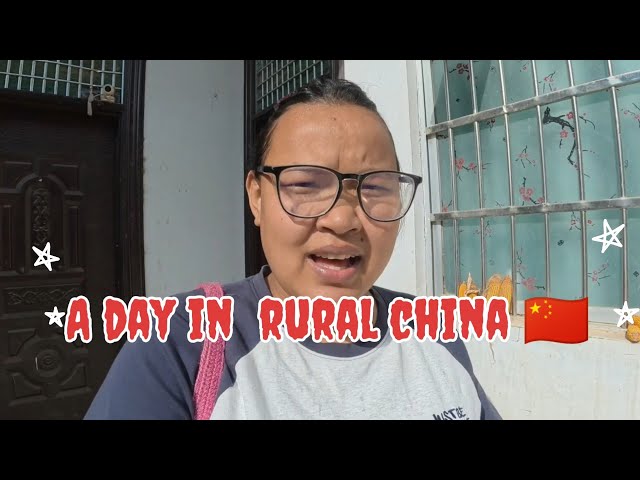
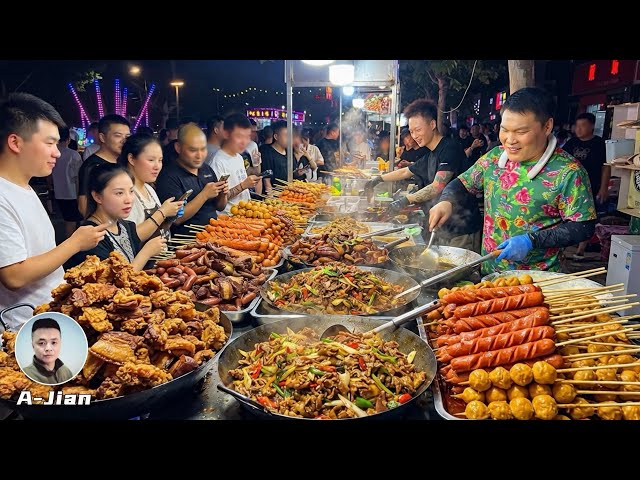
Why Ordinary Chinese People Are Turning to YouTube
Video transcript
YouTube is blocked in China, but somehow here I am talking to you. And lately, maybe you have noticed something strange. More and more regular people from China are popping up on YouTube. I am one of them. Just few me our apartments, food, rent, jobs, anxiety, and daily life. So, you might wonder, how did we even get here? Is someone organizing this? Are we doing it for money? And if China already has so many social media platforms, why come all the way to YouTube? Today, I want to talk about that honestly. The simple answer is this, no one sent us here.
And yes, money matters. I would be lying if I said it didn't. But, if you think this is only about money, you miss the real story. story. As one of them, I see four reasons behind this. And the first one doesn't start with YouTube. It began in our lives. lives. Reason number one, stability doesn't feel stable anymore. For many ordinary young people in China, life no longer feels like a straight road. Some people are struggling to find jobs. Some people still have jobs, but their salaries are shrinking. Their workload is increasing, and they still have to
live with the fear of being laid off suddenly. I felt this very directly in my own life. life. My boyfriend has worked at the same company for 7 years. Last year, their headquarters went from about 100 employees to just 20. And this year, for the first time, he took a 10% pay cut. That really shocked us. Growing up, we were always told, "Work hard, and your life will slowly get better." better." But over the past few years, that promise has started to feel less and less true. and less true. That's why for people like me, YouTube doesn't feel like a
get-rich-quick dream. It feels more like a backup plan. On many Chinese social media platforms, everything moves incredibly fast. You post a video and after a few days, it often feels like it disappears. But YouTube feels more like a slow burn. A video from months ago can still be found by someone new. So even if the income is small, it can still add up slowly. And here in China, that small amount can actually mean something. Even in Shanghai, my boyfriend and I spend only around $350 around $350 a month on everyday food. So if YouTube can cover even
part of our food expenses, that already feels meaningful. Reason number two, AI changed the rules. changed the rules. At my last job, I worked for a women's clothing company. At that time, I started learning AI image generation on my own. But after seeing what AI could do, my boss decided to stop hiring human models. models. I had learned a new skill, but I also felt guilty. Because those models were real people with real jobs. And suddenly, I could see how easily technology could change an industry and someone's income. someone's income. But at the same
time, AI is also the reason someone like me can even try to be here. be here. My English is still far from perfect. My English is still far from perfect. But now, AI helps me polish my words and practice my pronunciation. practice my pronunciation. By now, AI helps me polish my words and practice my pronunciation. practice my pronunciation. So, AI makes me anxious, but it also gives ordinary people tools to do things that used to feel out of reach. Has AI changed your job or your industry, too? I'm really curious if this is happening where you live.
Reason number three, on Chinese platforms, people you know might be watching. watching. On many Chinese platforms, your account is closely tied to your real identity, your phone number, your contacts, and your social circle. your social circle. So, it's not hard for your coworkers, your boss, your relatives, or old classmates to come across your posts. And once you know that, you start thinking, "What if my boss sees this? What if people laugh at me for trying something new? something new? What if my relatives think I'm not doing well?" well?" So, many
of us only show the highlight, nice meals, nice meals, pretty photos, and the parts of life that look successful. that look successful. But, we don't really dare to show the messy parts, messy parts, the anxiety or the financial pressure. Because once people around you see those things, things, you may have to deal with judgment, comparison, or gossip. comparison, or gossip. But, on YouTube, most people don't know me in real life. And strangely, that makes me feel freer. I don't have to look perfect. I can show my real life, even the imperfect parts. For
example, this bowl of noodles is only 73 cents. I know it's a small thing, but it makes me happy. There is something very freeing about being seen by strangers. And once you feel that freedom, you start to realize something else. Reason number four, on YouTube, ordinary life actually has an audience. Many people of China are not only curious about China as a country. They are curious about ordinary people living inside it. Maybe you are also tired of seeing the same polished images of China. of China. The high-speed trains, the skyscrapers, and the
perfect city shots. Sometimes what really people want to see is something much smaller, like an ordinary Chinese person's Tuesday night. What do we eat after work? How much is our rent? How do we deal with anxiety, save money, and try to live a decent life? And when you look at these little details, you start to realize something. Ordinary people in different countries are not as different as we might think. We all worry about money. We all worry about the future. We all want a safe place to live, and we all want some time that truly belongs to us. Maybe
that is why these ordinary videos matter. matter. Not because they explain a whole country, but because they show one real person living inside it. And that bring us back to the first question. How do we actually upload videos here if YouTube is blocked in China? Honestly, many people use VPNs. So, the technical barrier is actually the easy part. The harder part is getting over the fear in your own mind. The fear of speaking imperfect English, the fear of trying something new, and the fear of failing in public. And that brings me to the final question.
question. Why am I here? I have had regular corporate jobs. I have also tried starting my own business and failed. and failed. I want stability. But I also don't want to just sit there and wait for life to decide everything for me. For me, YouTube is an opportunity. Maybe it will go nowhere. But at least it is a path where I can keep learning and creating. And maybe slowly be seen and understood by people outside my own little bubble. So, if you are curious about the real China, beyond the headlines, not the perfect version, not the dramatic version, but
the ordinary everyday version. I would love for you to stay and see this ordinary life with me. Hi, I'm Trina, 33 years old and now I live in Shanghai with my boyfriend Skippy and our little cat Dodo. And if there is anything about everyday life in China you are curious about, leave a comment. Thank you so much for watching and I will see you in the next one.