8 Simple Habits and Culture in Rural China Village Life
Video transcript
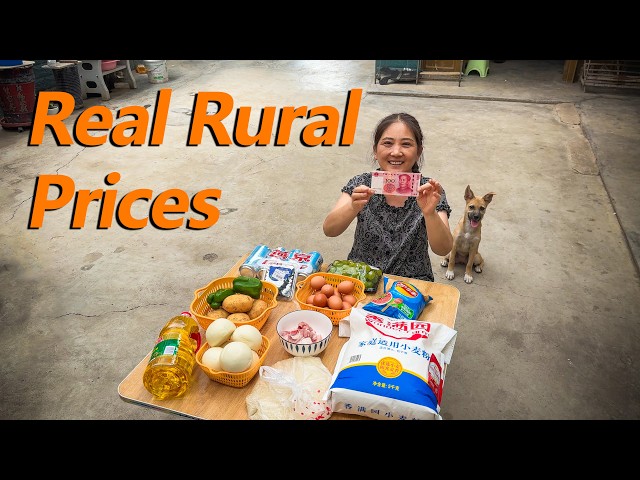
Hi everyone. I'm Shaila. I'm 50 years old and I live alone in a village in rural China. rural China. My husband is a long-haul truck driver, away from home most of the year. Both my kids have settled down in the city. I stay here taking care of our old courtyard home, a few mu of farmland, and my little dog Lucky. Lots of you have been asking me, "What are the simple habits and culture in rural China?" rural China?" Actually, they are all hidden in our daily life. They are not grand principles, just the way we have lived for generations. Today, I want to
share eight small habits that every rural Chinese person knows. The first and most important habit is never waste food. Today for lunch, I'm making hand-rolled noodles. I picked some fresh vegetables from my garden first, then stopped by my neighbor's garden and picked a little more to go with the noodles. The first habit carved deepest into us rural people is never wasting a single grain of food. It's not a rule we were forced to follow. It's been passed down from the elders who lived through the hardest years. hardest years. Because Henan used to
suffer from terrible famines in the old days. Back then, the land saw years of failed harvests. There was almost no grain to bring in. People survived on whatever they could find: tree bark, wild roots, edible weeds. Many went days without a proper meal, and not everyone made it through those hard years. A single mouthful of coarse grain was a luxury back then. That kind of hunger sinks into your bones, and you never forget it. Our elders lived through all that, so they know better than anyone how precious food is. My grandma would never let me leave
even one grain of rice in my bowl. If I dropped a grain on the table, she'd make me pick it up and eat it right away. It wasn't that she was being unnecessarily strict. She'd seen firsthand what life was like when there was nothing to eat. At wedding feasts in the village, everyone packs up the leftover dishes to take home when the meal ends. No one thinks it's embarrassing or cheap. It's just our quiet way of showing respect to the food, to the farmers who grew it, and to the land that gave it to us. It's never been some grand, formal rule. It's just
the way we've lived for generations. Treat every grain kindly, and never take having enough to eat for granted. From a single wheat seed in the soil to a warm bowl on my doorstep, it takes months of work and care to get here. Finishing every last bite and setting down a clean bowl is the simplest, most honest way we honor the land and all the hard work behind every meal. Another rule we follow at every single meal is elders eat first. Even for a simple bowl of hand-pulled noodles like today, the first serving always goes to the oldest person in the
family. family. I fill it right up to the brim, pile on the freshest vegetable toppings, and set it in front of them with both hands. In our countryside homes, even the seating at the table follows this rule. The seat facing the door is the most honored spot, always reserved for elders. We juniors sit on the sides or the lower seats, never taking the main seat before they do. This is what we call the proper order of elders and juniors. A custom passed down for thousands of years in China. We never pick up our chopsticks until the eldest person does. This
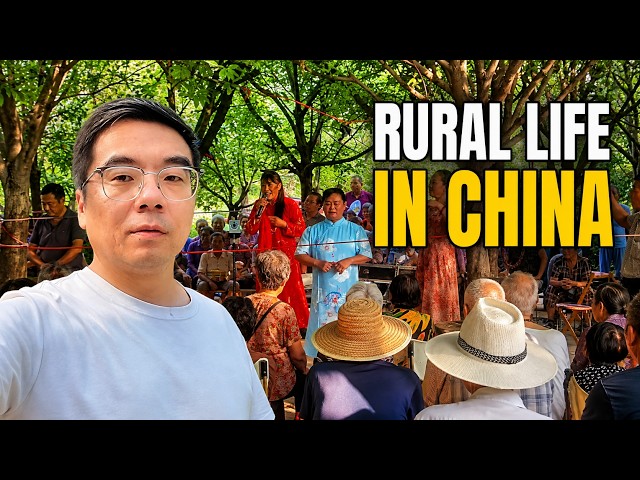
is the good manners we teach our kids from a young age. a young age. It's our quiet way of showing respect and gratitude to the elders who raised us. In our countryside, along the roadside at the village entrance, you'll always find a few wooden benches set out in the shade. It's the liveliest spot in the whole village, especially after midday lunch and in the evening when the day's farm work is done. Villagers bring their own stools, fan themselves, and chat about everyday life. life. Now young people in China jokingly call this place the village
intelligence center. center. Because no matter how big or small the news is, say a word here and it will spread to every corner of the village in half a day. Whose kid is getting married next month? Who bought a new electric tricycle? There's nothing this place doesn't know. doesn't know. Anyone passing by stops to chat for a minute. Walking past without a greeting would feel distant. would feel distant. This is the unique warmth of rural life. Simple, lively, and full of genuine human connection. In the countryside, neighbors are more than just people
who live next door. We're like extended family. A courtyard wall never really separates us. When farm work gets busy, no one stands by and watches. If a family is rushing to harvest wheat before the rain or can't keep up with watering their fields, neighbors show up on their own to lend a hand. You don't even have to go ask. Everyone brings their own tools, works side by side, and gets the work done faster together. done faster together. We never keep score and never charge each other. Today you help me, tomorrow I'll help you. We carry the busy seasons
and the hard times together. This is the simple, solid warmth of village life. We don't rely on money to get things done. We rely on each other. It's the kind of genuine human kindness that feels like home. Look how tough these weeds are. They grow right out of the cracks in the concrete. concrete. Such little plants have such strong vitality. Even hard concrete can't stop them from pushing up and seeing the sun. Today, I'm making a mop out of old clothes and turning an empty laundry detergent bottle into a flower pot. We people We people of my
generation have a habit. We never throw away anything that can still be used. Old clothes are turned into rags, plastic bottles become watering cans, cardboard boxes are saved and sold for money. Cut the old clothes into long strips and tie them tight onto a wooden stick. It's sturdier and more absorbent than many store-bought mops. Clothes that would otherwise be thrown away get a whole new use like this. Not a single piece of good fabric goes to waste. It's not that we can't afford a new mop. We just know every piece of cloth takes work to make and it
hurts to throw it away while it's still good. A homemade mop like this can last for years. Make the most of what you have and never take the things you own for granted. Turning a laundry detergent bottle into a flower pot. a flower pot. First, fully clean the empty laundry detergent bottle to get rid of leftover detergent residue. detergent residue. I draw a horizontal line around the middle of the bottle with a marker. This line marks where I will cut off the upper half of the bottle. I carefully cut along the drawn line with scissors, keeping the
integrated handle untouched. After cutting, I trim all rough uneven edges to avoid scratching my hands. When finished, this plastic container becomes a practical flower pot. Later, I'll punch several small drainage holes on the bottom, fill it with soil, and plant vegetables or small flowers in the yard. yard. Do you have any clever ways to repurpose empty bottles at home. We farmers live entirely by the 24 solar terms. terms. For those who don't know, the 24 solar terms are an ancient Chinese calendar system invented over 2,000 years ago. It splits the
year into 24 phases, each guiding us on weather changes and seasonal farm work. It's a farming handbook handed down by our ancestors. The perfect time to sow wheat, gather rapeseed, or grow garden veggies was all sorted out thousands of years ago, and it still matches our farm life precisely today. Right now, we're in grain in ear, the season for wheat harvest and corn seeding. Every villager hurries to finish reaping before rainy weather arrives. We live fully in step with nature's rhythm. Rise at dawn to work the fields, rest when the sun goes down,
eat seasonal vegetables grown in our yard, follow the temperature to add or remove clothes. We work hard when the season demands it and slow down to rest when the farm work eases up. Our days are steady, plain, steady, plain, and unhurried. The most common greeting in rural China is not how are you? It's have you eaten? Back in the old times, many generations endured hunger and grain shortages. Being able to fill your stomach was the biggest wish and the greatest blessing ordinary folks could hope for. Nowadays, we have plenty of food on our tables and
never worry about going hungry. But this old greeting has never faded away, passed down from parents to kids for decades. Even if we only pass each other briefly on the road, we won't walk by without a word. A simple have you eaten bridges the distance between neighbors in an instant. In China, In China, especially us rural folks, we rarely speak the phrase I love you out loud. We don't rely on fancy words to express affection at all. Our love is hidden in bowls of home-cooked food. When my daughter drives back to the countryside to visit, I spend the
whole morning preparing all her favorite dishes. favorite dishes. After the meal, I fill big cloth bags with fresh vegetables picked straight from my yard, homemade steamed buns, and preserved pickles for her to take back to the city. When my husband drags himself home, worn out from long-distance truck deliveries, I will definitely cook his favorite dishes on purpose. For us, the best way to say, "I miss you and I care about you." is to make you a good meal. Tonight, I'm going to cook a delicious dish with fresh eggplant. Many people think rural life is
backward and tedious. and tedious. But these plain little customs are the warmest backbone of our life. life. They carry the old wisdom passed down by our ancestors. our ancestors. They also hold the soft human warmth that modern busy life often lacks. I'm glad I can record and share my real village life with all of you. you. Which of these eight rural customs touches your heart the most? Do you have similar habits in your country? country? Let me know in the comments.