Chongqing Local Market Tour: Real Street Food Prices in China
Video transcript
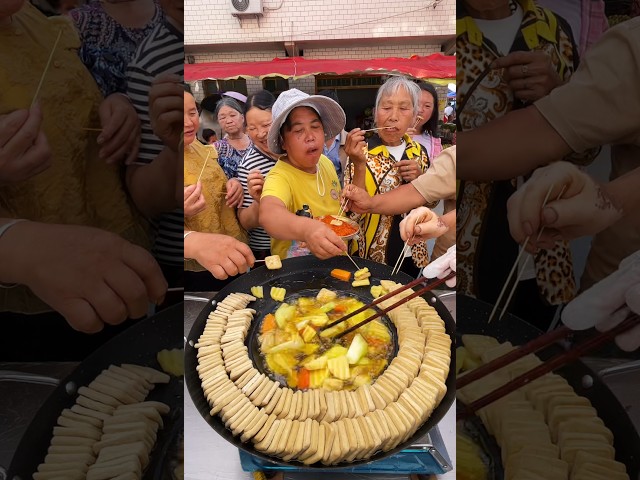
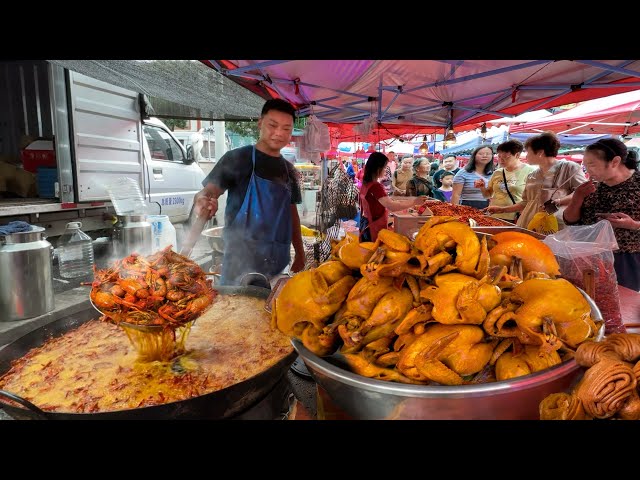
Hello friends, I’m DaWen. Today, we’re exploring a local market in Chongqing, China. Chongqing is located in southwest China, a mountain city surrounded by hills. Rivers run through the city, and the climate is hot and humid. At the entrance, the barbers are already busy early in the morning. A haircut here only costs 5 yuan — cheap, convenient, and attentive. This stall sells flavorful spicy tofu bites. Chongqing used to be part of Sichuan Province. In 1997, it officially became a municipality. Now it’s one of China’s four directly governed
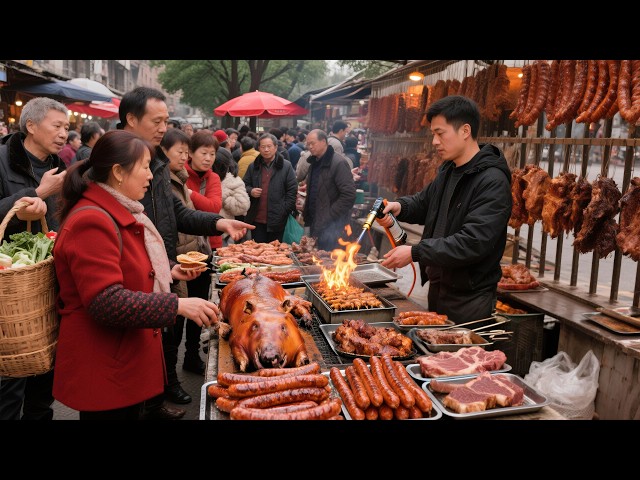
cities. As a result, Chongqing still retains strong Sichuan culinary traditions. People here love bold, spicy flavors. They crave dishes with intense aroma and mouth-numbing sensations. Vendor: Free samples! No need to buy! Spicy tofu bites are a must-have everyday dish for locals. These freshly made baked cakes are sweet, fragrant, and fluffy. This stall sells a variety of marinated meats. Chongqing people love marinated duck. The spices used include: Star anise, cinnamon, bay leaf, fennel, Sichuan peppercorns, and dried tangerine peel. The duck is
tender yet firm, and richly seasoned. Today is a weekday, so most of the shoppers here are elderly people. This stall sells crispy golden corn pancakes. They’re made with fermented corn flour. First steamed, then pan-fried. You can smell the rich aroma of corn from afar. The bottom is crispy, while the top stays soft — perfect texture. 4 pieces cost 5 yuan, or 1.5 yuan each. Crispy, fragrant, and soft — a delicious combination. Highly recommended! It’s now 8:15 in the morning. This stall sells salted kelp. Locals usually shred it and serve it
cold. With garlic, chili, soy sauce, vinegar, sesame oil, and a bit of sugar. This spice stall has everything you could want. Here are crispy fried pork sticks. The marinated pork is coated in pepper batter, then deep-fried. The aroma fills the air and draws in lots of customers. Golden and crunchy, this dish is a must at festivals and banquets. This stall sells Peking duck. Look at that glossy skin and juicy meat — simply perfect. Peking duck is a beloved dish all across China. Almost everyone enjoys its rich flavor. One whole duck costs 22 yuan
(~3.00 USD), including free cutting. This vendor sells grilled rice cakes and corn pancakes. A simple rice cake takes on new life with a different shape and cooking method. After a few minutes of grilling... ...plain rice batter turns into crispy golden bites. This round type is a common corn pancake in southwest China. It’s pan-fried directly from corn batter — no steaming needed. There’s no sugar added, so the flavor is mild and the texture soft. A great option for people watching their sugar intake. This stall sells “Cold Chicken with Chili
Oil” — also known as Kou Shui Ji. It’s a favorite cold dish in Chongqing. Famous for its spicy, fragrant, juicy and tender flavor. It’s a refreshing summer appetizer. The whole chicken is boiled, cooled, and chopped into pieces. Then it’s drizzled with chili oil, Sichuan pepper oil, soy sauce and vinegar. Plus mashed garlic, chili, crispy peas, roasted peanuts, and scallions. Finally, the broth from boiling the chicken is poured over. This stall offers pork belly with preserved mustard greens, called Shaobai in Sichuan. A traditional southern
steamed dish made with pork belly and salty preserved vegetables. The pork is first deep-fried, then steamed in layers. Stacked neatly in a bowl. After long steaming, the pork becomes tender and rich, while the preserved greens soak up all the flavor. When flipped out of the bowl, it shines red and smells amazing. A must-have dish during holidays for many southern Chinese families. There are lean and fatty versions — something for everyone’s taste. This stall sells spiced crispy chicken bites. Popular across Sichuan, Guizhou, and Yunnan in southwest
China. Made by marinating chicken in douban paste, rice wine, ginger and flour. Seasoned with sesame seeds, chili powder, turmeric, Sichuan pepper, and black pepper. Then tossed with oyster sauce and hot oil to blend the spices. Crispy outside, juicy inside. Spicy, aromatic, and seriously addictive. The long line at this stall says it all. Chongqing is an inland city, far from the sea. So markets here only offer freshwater fish. The yellow catfish is tender, low in bones, and very tasty. Locals like to stew it with chili bean paste or make fish soup.
Walnuts are one of the most popular and affordable nuts in China. Believed to boost brain power and protect the heart. Chinese people usually eat them raw, no roasting or seasoning needed. Now let’s check out the vegetable stalls. This vendor grows her own pumpkins. In traditional markets, many vegetables are home-grown, not bought from wholesalers. China has long been a mostly plant-based society. It produces a huge variety of vegetables. So vegetable prices here are very low. Typically just 1 to 8 yuan per kilogram. This wooden steamer is a
traditional rice-cooking tool in southwest China. It uses steam to cook the rice. Resulting in better texture than an electric rice cooker. Sichuan peppercorn is a must-have spice in every Chongqing kitchen. Locals are obsessed with it — it’s in their blood! Even the seeds are used to stuff pillows! They smell great and symbolize restful sleep. This stall sells grilled rabbit meat. In Sichuan and Chongqing, rabbit is a common street snack. But in other parts of China, many people are hesitant to eat rabbit due to cultural reasons. This vendor offers
spicy rabbit. The meat is first boiled in a spicy marinade. Then grilled until the skin is crispy and aromatic. The meat is torn by hand into strips. Then mixed with a special homemade sauce. This sauce includes douban paste, chili, and fermented black beans. Beef is relatively rare in China, so it’s always been on the pricier side. Every vendor here lets customers sample freely. People in southwest China love marinated beef shank. Since the shank muscle works hard, it’s fibrous and full of tendons. After cooking, it’s firm and chewy — very
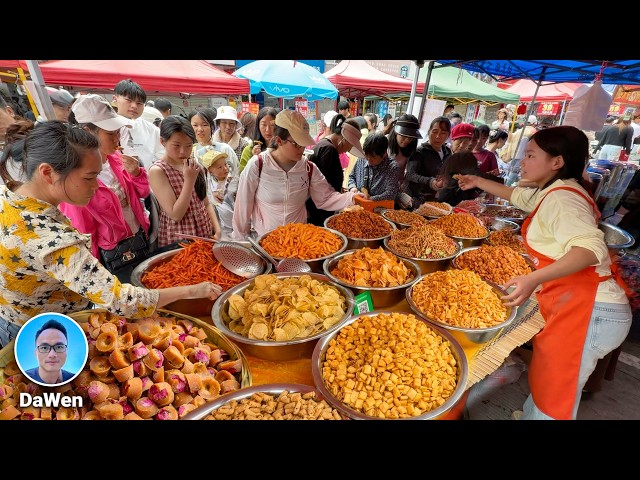
satisfying. Here’s some marinated pig head skin. And marinated pig tails — would you dare try them? In China, we believe in using every part of the pig. Very little goes to waste. In some countries, pig ears are considered dog food. But here, they’re a popular delicacy. After marinating, they’re sliced and served cold — crunchy and flavorful. A favorite pairing for beer among many Chinese. This stall sells all kinds of crispy fried beans. And this one offers a variety of floral teas. Rose flower tea is one of the most popular herbal teas in
China. It’s believed to promote skin health, ease emotions, and aid digestion. Especially favored by women. Don’t forget to like, share, and subscribe to my videos and channel! You’re the best audience — thank you for watching ❤️ Can’t wait for our next food adventure together!

![Chongqing Night Walk: Riverside Streets & Neon Lights in China [4K]](https://chinesedailylife.com/thumbs/Qzit2TcLKZ8.jpg)
![China Night Walk: Crowds, Neon Lights & Real Street Vibes — Chongqing [4K]](https://chinesedailylife.com/thumbs/ANkGiM0R-Zw.jpg)