Guiyang Suburban Market: Chili, Tofu and Daily Life in Guizhou
Video transcript
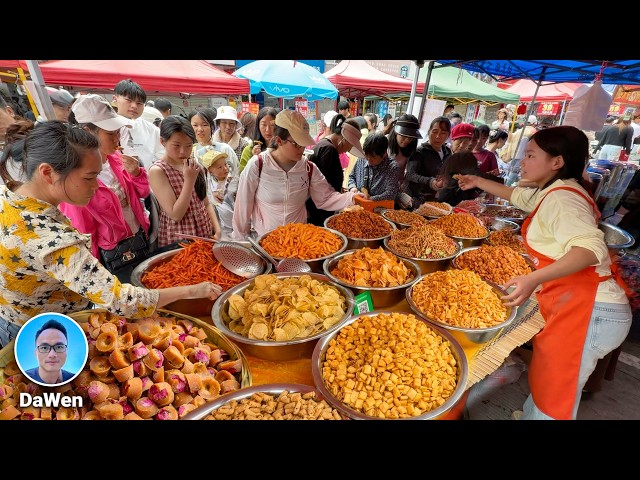
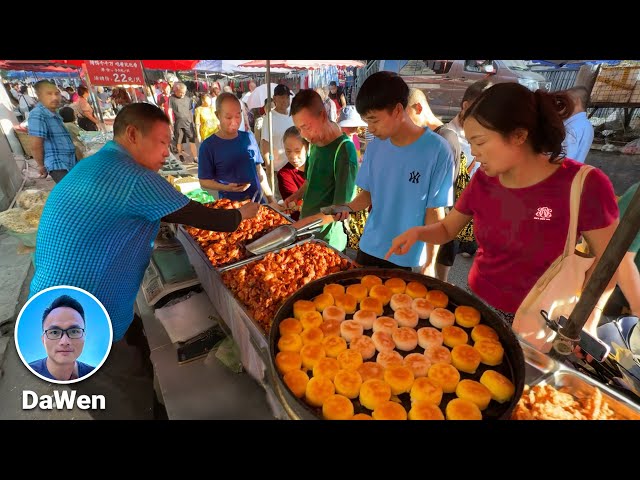
"This is a specialty of Guizhou." "Wild Rosa roxburghii." "What grade are you in?" "Sixth grade." Hello friends, I’m DaWen. Today we’re exploring a suburban market in Guizhou, China. People in Guizhou especially love braised tofu. It’s made by deep-frying tofu and then simmering it in a spiced broth. The main ingredients in the broth are Sichuan pepper, star anise, and soy sauce. These give it a rich aroma and brownish color. This stall sells mung bean sheets. They’re made by grinding mung beans into a paste and steaming them into large sheets.
After cooling, the sheets are cut into wide strips on-site. They’re usually mixed with garlic water, sauces, and crushed peanuts. Sometimes bean sprouts or shredded cucumber are added—cool, springy, and appetizing. Chinese people are great at turning mung beans into delicious dishes: From pancakes and pastries to noodles and cooling desserts. So many varieties—tasty and nourishing. Can you guess what these dried noodles are made from? The answer is sweet potatoes. At the market entrance, there's a stall selling spiced lamb offal stew. In Guiyang,
this stew is a beloved comfort food. Common spices include star anise, cinnamon, Sichuan pepper, dried ginger, tsaoko, and dried tangerine peel. Lamb offal stew usually comes with free side dishes. Such as cilantro, garlic, and mint. Many people in China are fond of beef and lamb offal. They believe these parts have more flavor and chewiness. There are three options to pair with the stew: mung bean noodles, wide rice noodles, or round rice noodles. This stall sells homemade rapeseed oil. Cooking oil preferences vary across China: Peanut oil is common in
the south; soy oil or lard in the north. What kind of oil do you usually cook with in your area? These two little girls are selling wild Rosa roxburghii. But this male customer said they’re not wild. This female customer believes they are. Rosa roxburghii is a fruit native to the mountains of Southwest China. It has a sweet-tart taste and is rich in vitamin C. Locals often use it to make drinks or juice, or eat it directly— Refreshing and healthy. Me: What grade are you in? Girl: Sixth grade. During the holidays, these thoughtful sisters help their
parents watch the stall. Locals prefer wild Rosa roxburghii for its stronger flavor and higher nutrients. Me: Your daughters are so capable! Vendor: Haha! The sisters’ father is roasting peanuts. These machines produce delicious snacks for the traditional market, And their roaring adds to the market’s lively vibe. The aroma of freshly roasted peanuts is irresistible! The vendor is now roasting pumpkin seeds. Each hot batch is not just a snack, But also the result of a hardworking day. They reflect the grounded rhythm of daily life. This vendor is
selling sticky corn cakes. This snack is made by grinding glutinous corn into a paste and wrapping it in corn husks, then slowly steaming it. Sticky corn cakes are a familiar rural treat for people in Guizhou. There are sweetened and unsweetened versions. Me: Is this batch of corn pies unsweetened? Customer: Yes, no sugar. Customer: This type is good for people with diabetes. A rich corn aroma—delicious! If you’re wondering which region in China eats the most chili, Guizhou is definitely the “capital of chili.” This is freshly ground chili paste
made with ginger and garlic. The vendor offers different spice levels for customers to choose from. Even people who can’t eat spicy food can pick a fragrant but mild chili. This stall sells freshly pounded dried chili powder. The entire stall is filled with a strong roasted chili aroma. That smell is not only mouthwatering, but also energizing. With years of experience, the vendor adjusts the chili blend to match each customer’s preferred spice level. Machine-ground chili powder is efficient, But many people feel it lacks a bit of “human touch.”
This hand-pounded chili powder varies in size, Giving it more texture and an original spicy aroma. Even the rhythmic pounding sounds like it's adding flavor! Only in Guizhou do people happily eat chili as a snack. Me: Do your hands feel spicy? Vendor: No, I'm used to it. This stall is making crispy chili snacks on the spot. The vendor coats fresh chilies in a seasoned batter and deep-fries them. Legend says people from Guizhou are descendants of the Fire God. They are born with chili in their blood. They eat chili not just for flavor— But to awaken the
soul. The aroma of crispy chili is truly unique. You can only experience its charm by standing at the stall. These crispy chili snacks also come in non-spicy versions, So don’t worry if you can't handle the heat. People in Guizhou are absolutely passionate about chili. This little boy is helping his father sell grapes during the school break. Customer: How much are the grapes? Boy: 10 yuan for 1.5 kg. Big and beautiful Shine Muscat grapes—such a pleasant surprise! This stall is selling rice noodles. I've never seen a stall where customers can just
grab however much they want. That’s the laid-back and lively spirit of traditional markets. This is Qingcui plum, a variety unique to southwest China. They look green and unripe, But they’re surprisingly sweet, juicy, and flavorful. Guizhou has a high corn yield, and most of the eggs sold in markets are corn-fed eggs. This vendor sells various smoked dried fish. Locals often enjoy these tiny dried fish as snacks with alcohol. These fish are salty, savory, and full of intense smoky flavor. This stall is selling traditionally fermented soy sauce. Soy
sauce is the soul of Chinese cooking. It’s made by fermenting soybeans and wheat. And requires long sun exposure and patient waiting. Vendor: This soy sauce has been sun-aged for two years—very thick in texture. "This one was only sun-aged for 8 months, so it’s thinner." The longer it’s aged, the richer and deeper the flavor. Soy sauce can be used for cooking or directly as a dipping sauce. This roasted sunflower seed stall is the most popular one in the market. In traditional markets in Guiyang, you won’t find factory-made foods. Everything is
freshly made and sold by the vendors themselves. In China, roasted sunflower seeds are a great way to pass the time. Whether chatting, watching TV, or daydreaming— People always have a handful of seeds in hand. By the time you finish a batch of seeds, hours may have passed without noticing! Chinese people are masters at turning flour into all kinds of fried cakes. This one is filled with crab roe. These fried cakes are made using rapeseed oil. These ones include sweet potato chunks inside. Just look at the scene—you can imagine how tasty they are!
Let me try the fried cake with sweet potato chunks. Crispy outside, soft inside—savory, fragrant, and slightly sweet. Delicious! The braised pig trotters at this stall look absolutely perfect! In traditional Chinese markets, you’ll only find live poultry—not frozen packaged meat. Chinese people prefer choosing live chickens or ducks themselves. They value being able to see the freshness with their own eyes. Nowadays in China, most people buying live poultry were born before the 1970s. Those born after the 1980s rarely buy live poultry anymore.
These preserved eggs are called “pine flower eggs” in Chinese, Because their whites develop crystal-like patterns resembling pine needles. They’re made by coating duck eggs with a mixture of rice husks, clay, and salt, Then naturally curing them over several weeks. In China, century eggs are often chilled and sliced with soy sauce and sesame oil, Or used in congee. Our food preferences are shaped from a young age. What some find delicious, others may see as a challenge for the taste buds. Me: I’ll try one of those preserved eggs. Vendor: Try as
many as you want—it’s free! Its texture and feel are a lot like jelly. The white tastes like flavorless jelly. The yolk has a noticeable gamey aroma. After heating, the flavor becomes milder and more palatable. After the market, I headed to the city streets. Many vegetarian food stalls can be found along the roadside. These vegetarian stalls are quite popular. Me: What is this snack called? Vendor: Our specialty grilled egg. It’s topped with pickled radish and seasoned garlic paste. And sprinkled with spicy seasoning powder. I prefer my eggs
grilled until half-cooked. Silky, salty, slightly spicy—so flavorful! Some people prefer theirs more thoroughly cooked. Every bite of food carries warmth and human touch. Each vendor protects traditional flavors with their hardworking hands. Thank you for watching—see you in the next food adventure!