Shenzhen Metro: Inside China’s 600km Driverless Network
Video transcript
Imagine stepping onto a metro that stretches over 600 kilometers with 20 lines and more than 420 stations, weaving through every corner of a futuristic city. That's Shenzhen Metro today, transforming how millions move every day. From its first line in 2004 to today's sprawling network, it connects business hubs, airports, and suburban neighborhoods, making the city feel smaller and faster. And it's still growing. By 2035, the metro will stretch over 1,100 km, turning Shenzhen into a city where commuting becomes an experience, not a chore. Number one,
wrership and city impact. With such an extensive network, it's no surprise that Shenzhen Metro moves over 3 billion passengers annually. The energy of that many people flowing through stations every day is palpable. But the impact goes beyond numbers. The metro reduces traffic congestion, lowers pollution, and reshapes urban life by connecting residential areas, commercial centers, and tech districts. It doesn't just move people. It connects communities and drives the city's growth. The metro also plays a critical role in supporting Shenzhen's booming
tech and finance sectors, allowing employees to commute efficiently across the city. During major events or holidays, the system handles massive surges in passenger volume with precision, maintaining smooth operations. By reducing reliance on private vehicles, it helps the city meet sustainability targets while simultaneously boosting local businesses near metro hubs by increasing foot traffic. Number two, station design, cleanliness, and safety. Step into a Shenzhen Metro station, and the experience itself tells a story. Bright, spacious platforms,
intuitive signage, and barrierfree access greet every passenger. Safety is seamlessly integrated with airport style bag checks. Extensive CCTV coverage and staff available around the clock. Forget fumbling for paper tickets. Your phone or even your face can open the gates, making entry fast, smooth, and secure. Stations are meticulously maintained with cleaning staff constantly working to ensure a spotless environment and air circulation systems keeping underground spaces fresh and comfortable. Many stations feature clear visual and audio alerts guiding
passengers during peak hours or emergencies. The combination of cuttingedge technology and thoughtful design ensures that every ride feels secure, efficient, and even enjoyable, setting a benchmark for metro systems worldwide. Number three, accessibility and passenger convenience. This focus on design naturally extends to accessibility and passenger comfort. Elevators, ramps, and tactile paving ensure that the system is fully inclusive, making it easy for elderly passengers, families with strollers, and visually impaired commuters to navigate. Platform
screen doors not only prevent accidents, but also help regulate air flow and reduce station noise, enhancing the comfort of every journey. Real-time digital displays show train arrivals, next stops, and transfer options, while audio announcements provide guidance for passengers in multiple languages, supporting both locals and tourists. Trains arrive every 2 to 5 minutes, even late at night, minimizing wait times and keeping passenger flow smooth during peak hours. Additionally, stations are equipped with dedicated service counters and mobile apps for
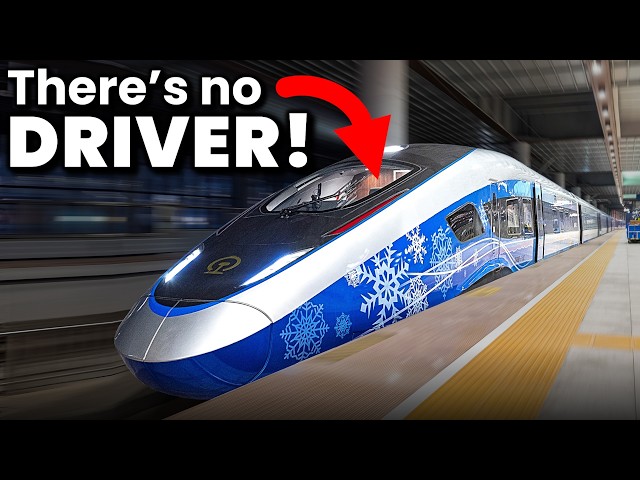
instant help or route guidance. Together, these features create a commuting experience that is efficient, predictable, and stress-free. Turning what used to be a daily chore into a pleasant, almost seamless journey across the city. Number four, driverless and high-speed train technology. Building on this seamless experience, Shenzhen Metro introduces passengers to the future of urban travel with fully automated GA4 driverless trains. These trains accelerate, break, open doors, and respond to emergencies without any human intervention, offering a level of
precision and safety unmatched by traditional systems. Traveling at speeds of up to 120 km per hour, the rides are smooth, quiet, and comfortable, making even long-d distanceance commutes across the city feel effortless. Onboard digital screens provide realtime updates on locations, upcoming stops, transfer information, and service alerts. While some premium lines even offer business class seating with extra comfort during peak hours. The automation allows trains to operate at very high frequencies, maintaining intervals as low as a few minutes, which
drastically reduces crowding. By combining speed, technology, and luxury, Shenzhen Metro's driverless trains turn daily commuting into a futuristic, efficient, and enjoyable experience, setting a global benchmark for modern urban transit systems. Number five, iconic stations, Cho and Gangia North. But Shenzhen Metro is not just about moving people. It's about creating memorable spaces that feel alive. Take Cho Station for example. Its most iconic feature, the glowing gate of time corridor, immerses passengers in a futuristic landscape of blue and white
light, reflecting the city's rapid growth and technological energy. The station connects four major lines, allowing commuters to transfer effortlessly while enjoying a visually striking environment. Beyond functionality, it blends architecture, art, and design, turning what could be a mundane commute into an experience that sparks curiosity and wonder. Then there's Ganga North Station, often called the Eye of Shenzhen. Covering over 220,000 square meters, it's one of Asia's largest metro hubs. With 23 exits, five metro lines, and extensive commercial
spaces, commuters can shop, dine, explore cultural exhibitions, or even enjoy entertainment areas like climbing walls and interactive installations, all without leaving the station. The station's firmat spiral design channels natural sunlight hundreds of feet underground, creating an open, airy feel that contrasts with the typical underground commute. Certain lines even offer views of the city and nearby waterways, transforming travel into a sightseeing opportunity. These stations demonstrate that Shenzhen Metro is not just a transportation system. It's
a city within a city, blending function, art, leisure, and architecture into a truly immersive experience. Number six, cultural integration and art. Shenzhen Metro goes far beyond transporting passengers. It turns commuting into a cultural journey. Stations across the network showcase murals, digital light installations, sculptures, and rotating art exhibitions reflecting the city's vibrant creativity and its mix of high-tech innovation with traditional heritage. For example, Gangshia North Station hosts permanent exhibitions on Asian architecture and
Shenzhen's urban development, allowing passengers to explore history, culture, and design without leaving the station. Many stations also feature interactive installations, LED walls that respond to movement, light shows synced with the time of day, and soundsscapes that create dynamic, immersive environments. Some stations celebrate local festivals, seasonal themes, or tech innovations, integrating culture seamlessly into everyday life. By merging public art, education, and commuting, Shenzhen Metro transforms the simple act of travel into a rich,
sensory, and thought-provoking experience, highlighting the city's identity, and offering passengers more than just transit. It offers connection, inspiration, and engagement. Number seven, sustainability and eco-friendly design. Shenzhen Metro isn't just a marvel of urban convenience. It's also a model of sustainable transit by providing a high-capacity, low emission alternative to private cars. It significantly reduces traffic congestion and air pollution across the city. Stations are designed with energyefficient LED lighting, advanced ventilation
systems, and skylights that channel natural sunlight underground, minimizing reliance on artificial energy. The trains themselves are engineered for sustainability. Regenerative braking systems recycle energy back into the network, reducing electricity consumption and lowering the city's carbon footprint. Many stations incorporate water saving fixtures, waste recycling programs, and eco-friendly materials, reflecting Shenzhen's commitment to environmental responsibility. By combining cuttingedge technology, sustainable architecture, and passenger
comfort, Shenzhen Metro demonstrates that urban transit can be both efficient and environmentally conscious, setting a benchmark for green transportation worldwide. Number eight, technology and passenger experience. Technology is the backbone of Shenzhen Metro, ensuring a smooth, connected, and intelligent commuting experience. From digital ticketing through mobile apps and facial recognition to interactive wayfinding systems, technology removes almost every friction from the passenger journey. Onboard digital screens display realtime train locations,
upcoming stops, service alerts, and transfer guidance, while AI powered crowd management monitors peak hours to prevent congestion and maintain safety. Stations also feature smart maps, interactive kiosks, and mobile notifications that provide updates on train delays. nearby amenities and connecting lines. Some stations even integrate augmented reality features, allowing passengers to explore local landmarks or cultural exhibits while waiting. By anticipating passenger needs and providing instant information and guidance, Shenzhen Metro turns daily
commuting into an intuitive, stress-free, and even engaging experience. Blending technology seamlessly with everyday life. Number nine, regional connectivity and future expansion. Shenzhen Metro's influence extends far beyond the city itself, forming a key part of the greater Bay Area's regional transit vision. The network connects Shenzhen with Guangdong, Hong Kong, and Macau, integrating local commuting with high-speed intercity travel. Future extensions and high-speed lines are expected to enable travel across the entire region in under 30 minutes,
making Shenzhen a central mobility hub for business, tourism, and daily life. Beyond speed, these expansions are strategically planned to support new urban districts, industrial zones, and tech parks, shaping the city's growth while improving accessibility. New lines are also being designed with future ready features, including smart stations, energy efficient infrastructure, and space for cultural and commercial activities. As Shenzhen Metro grows, it doesn't just connect neighborhoods. It connects cities, economies, and communities, demonstrating how a
metro system can play a transformative role in regional development and urban planning. Number 10, passenger experience and comfort. Every ride on Shenzhen Metro is designed to prioritize passenger comfort, convenience, and enjoyment. Trains feature wide ergonomic seats, smooth acceleration, and quiet cabins, minimizing stress and fatigue even during long journeys. Some lines even offer premium business class seating, providing extra space, power outlets, and enhanced comfort for commuters who prefer a more luxurious experience. Stations themselves are
multifunctional spaces going far beyond transit. Passengers can shop at retail stores, grab meals at cafes or food courts, and enjoy entertainment corners from pop-up exhibitions to small performance areas. The design ensures easy navigation, minimal congestion, and intuitive flow between entrances, exits, and connecting lines. Realtime displays, mobile apps, and multilingual announcements further enhance convenience. Altogether, Shenzhen Metro transforms commuting into a smooth, enjoyable, and even leisurely part of daily life where passengers can work,
relax, or explore the city without leaving the station. Number 11, Shenzhen Metro as a model for future cities. In the end, Shenzhen Metro is more than just a metro system. It's a blueprint for the cities of tomorrow. By combining driverless trains, advanced AI technology, seamless digital ticketing, and interactive passenger services, it demonstrates how urban transit can be efficient, safe, and future ready. The integration of cultural experiences, public art, shopping, and leisure spaces shows how transport infrastructure can enrich daily life rather
than simply moving people from point A to B. Sustainability is also central. energyefficient stations, regenerative braking and low emission trains illustrate how largecale transit can coexist with environmental responsibility. The systems regional connectivity links Shenzhen to neighboring cities, fostering economic growth, reducing traffic, and enhancing quality of life across the greater Bay Area with its combination of technology, culture, sustainability, and comfort. Shenzhen Metro has become a global model for future urban transit, showing how
cities can move people efficiently while creating vibrant, connected, and inspiring urban environments. It's a metro system that doesn't just serve a city, it shapes the way a city lives, breathes, and grows. Every journey becomes a glimpse into the future of urban life. >>